Skin fatness

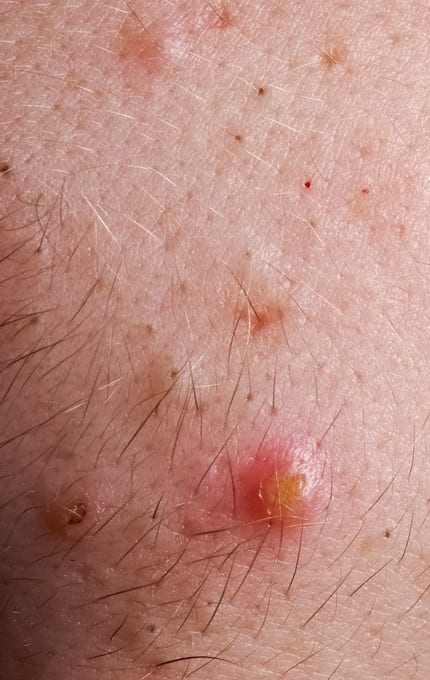
Oily skin is a type of skin caused by excessive activity of the sebaceous glands and is characterized by a rough texture, unhealthy color and gloss.

Signs of oily skin

This type of skin often combines several cosmetic flaws. In addition to such a common symptom as an unaesthetic shine and a tendency to rapid contamination, oily skin suffers from a number of other problems. The pores on such skin are easily clogged with sebum, dirt and makeup residues, contributing to the appearance of comedones – clogged sebaceous glands. Under the influence of oxygen, sebum oxidizes and stains the clogged pores in a dark color: the result is such a cosmetic defect as “black dots”.

The individual structural features of the sebaceous glands, local skin immunity, the general condition of the body and many other factors play an important role in the development of various skin inflammations on oily skin. And clogged pores can be transformed into small pimples and subcutaneous inflamed nodes and abscesses. In complex cases, excessive oily skin can be combined with increased skin reactivity. Oily sensitive skin can suffer both from inflammatory processes and from intolerance to therapeutic seborrhea, antiseptic, drying agents. Therefore, such a skin requires a strictly individual approach.

Oily skin is determined by several factors:

  • heredity
  • hormonal imbalance
  • stress
  • environmental pollution
  • bad habits and poor diet
  • improperly selected cosmetic care
  • climatic changes

In case of acne, you should visit a dermatologist. And if oily skin is accompanied by the appearance of unwanted hairs, then check the hormonal background: perhaps the problems are associated with the level of certain hormones, and they should be solved by a specialist.
Seborrheic dermatitis

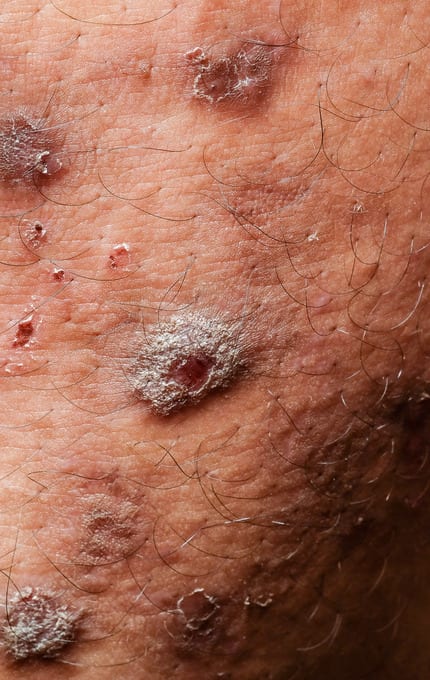
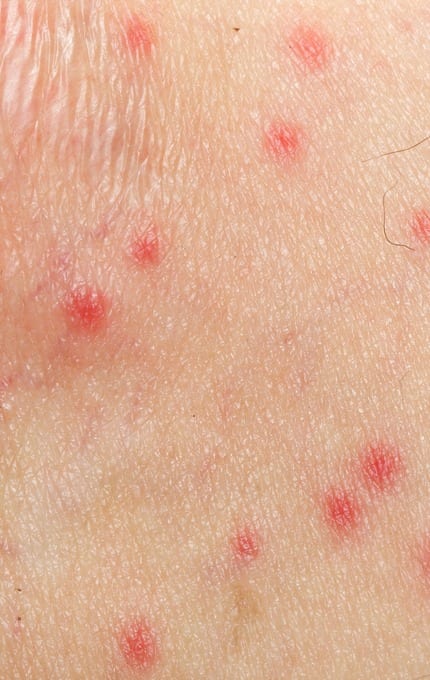
Seborrheic dermatitis or seborrhea is a chronic infectious disease of the skin surface, rich in sebaceous glands (nasolabial triangle, scalp etc.). With seborrhea, inflammation, peeling and itching spreads beyond the scalp.

Statistically, seborrheic dermatitis affects 2–5% of the population.

Seborrheic dermatitis has the same aetiology as dandruff, but with more pronounced clinical manifestations. Often the inflamed skin strongly itches and oozes. The flakes can be white or yellow. Peeling extends beyond the head to hairy or bare skin areas. The disease occurs in persons of both sexes, but more often in men. The tendency to activate the pathological process is observed in dry, frosty months.

Clinical seborrhea manifests itself in the form of dermal outgrowths, which are formed as a result of the fusion of microbubbles and small papules of pinkish and yellowish colour, covered with furfur. When removing the furfur, a hyperemic surface is visible.

Skin diseases

The most common fungal infections are skin and nail diseases. In order not to encounter this unpleasant problem, you need to know the basic rules of prevention and in which cases you need to see a doctor.

The correct prevention of fungal diseases is a guarantee of healthy nails and skin. Skeptics may object: “If the disease has begun, then prevention is too late.” However, this statement can be argued. A sick person should think about how not to infect others, and first of all, members of his family. Since, having infected a loved one and having completed the full course of treatment, he can become infected again.

The most important rule for the prevention of fungal diseases is personal hygiene. What you need to know:

  • Visiting such public places as: swimming pool, bath / sauna, shower room, gym, skating rink, bowling, etc. – wear special shoes (your own or one-time), and also don’t go barefoot in public bathing places, bathhouses, etc.
  • After water procedures, gently wipe your feet, paying particular attention to the interdigital space.
  • To make your legs “breathe”, change shoes and hosiery more often.
  • Use an individual towel and wear only your shoes at home and away.
  • Do not give your shoes to other people.
  • Examine your skin and nails regularly.
  • In order to prevent mycosis, treat the skin between the toes and feet with special solutions or creams.

SIGNS OF FUNGAL INFECTION
For cutaneous fungus are characteristic:

  • dryness
  • peeling
  • itching
  • inflammation
  • bubbles
  • cracks
  • pain

With damage to the nails, the state of the nail plate changes:

  • spots and white stripes
  • nails grow dull
  • yellowness appears
  • thickening occurs
  • nails may loosen and crumble

DIAGNOSIS AND TREATMENT

Fungal diseases are very contagious and do not go away on their own, therefore, at the first manifestations, you must consult a dermatologist or mycologist. A dermatologist treats all skin diseases, therefore he is a specialist in a wider profile.