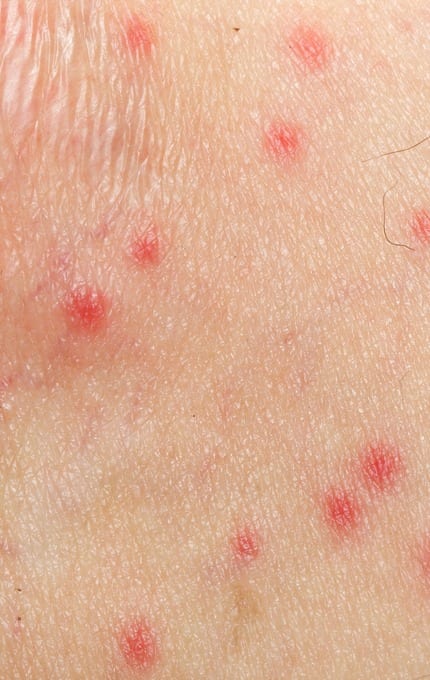
The most common fungal infections are skin and nail diseases. In order not to encounter this unpleasant problem, you need to know the basic rules of prevention and in which cases you need to see a doctor.
The correct prevention of fungal diseases is a guarantee of healthy nails and skin. Skeptics may object: “If the disease has begun, then prevention is too late.” However, this statement can be argued. A sick person should think about how not to infect others, and first of all, members of his family. Since, having infected a loved one and having completed the full course of treatment, he can become infected again.
The most important rule for the prevention of fungal diseases is personal hygiene. What you need to know:
- Visiting such public places as: swimming pool, bath / sauna, shower room, gym, skating rink, bowling, etc. – wear special shoes (your own or one-time), and also don’t go barefoot in public bathing places, bathhouses, etc.
- After water procedures, gently wipe your feet, paying particular attention to the interdigital space.
- To make your legs “breathe”, change shoes and hosiery more often.
- Use an individual towel and wear only your shoes at home and away.
- Do not give your shoes to other people.
- Examine your skin and nails regularly.
- In order to prevent mycosis, treat the skin between the toes and feet with special solutions or creams.
SIGNS OF FUNGAL INFECTION
For cutaneous fungus are characteristic:
- dryness
- peeling
- itching
- inflammation
- bubbles
- cracks
- pain
With damage to the nails, the state of the nail plate changes:
- spots and white stripes
- nails grow dull
- yellowness appears
- thickening occurs
- nails may loosen and crumble
DIAGNOSIS AND TREATMENT
Fungal diseases are very contagious and do not go away on their own, therefore, at the first manifestations, you must consult a dermatologist or mycologist. A dermatologist treats all skin diseases, therefore he is a specialist in a wider profile.